
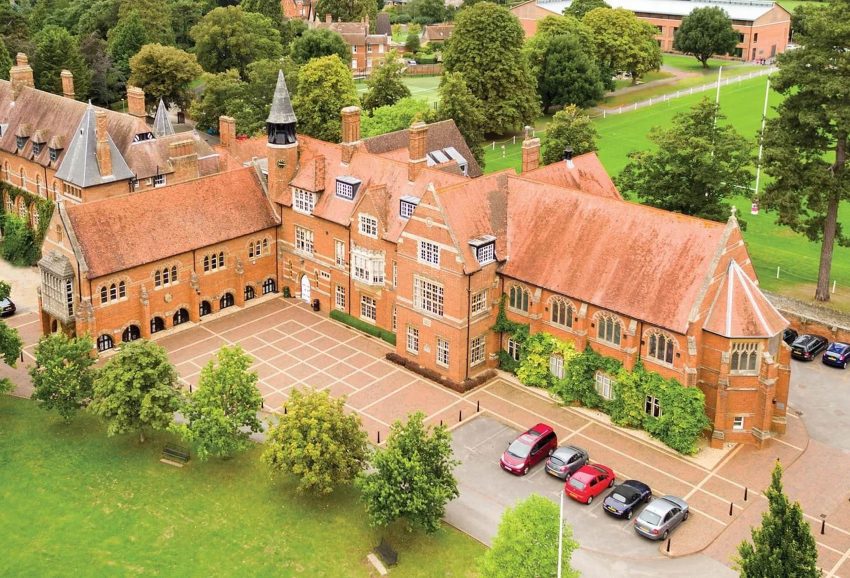
Choosing a school for your child is one of the most consequential decisions you’ll make as a parent. Hampshire offers a genuinely impressive range of independent schools, and understanding what sets them apart will help you make a more confident choice. This guide covers the four areas that matter most: academics, facilities, pastoral care, and admissions.
Academic Standards and Curriculum Options
Hampshire independent schools consistently produce strong academic results. Most offer the traditional GCSE and A-Level pathway, though a growing number also provide the International Baccalaureate, which is worth considering if your child shows a broad intellectual curiosity or if an international career is on the horizon.
Small class sizes are one of the most significant advantages these schools offer. When a teacher works with 15 students rather than 30, they can identify gaps in understanding quickly and adjust their approach accordingly. That level of individual attention tends to accelerate progress in ways that are difficult to replicate in a larger setting.
Facilities and Life Outside the Classroom
A well-rounded education extends far beyond exam results. Hampshire’s independent schools typically provide high-quality sports facilities, performing arts theatres, and well-equipped science laboratories. These resources matter because they expand what a student can discover about themselves — a child who struggles with traditional academic work might find real confidence through sport, music, or design technology.
Extracurricular involvement also builds the kind of soft skills — communication, discipline, teamwork — that universities and employers consistently value.
Pastoral Care and Student Wellbeing
Strong pastoral care is a defining feature of the independent school experience in Hampshire. Most schools operate a house system, which gives each pupil a consistent support network beyond their subject teachers. Mentorship programmes and dedicated wellbeing staff mean that students dealing with academic pressure or personal challenges have clear routes to support.
For boarding pupils especially, this structure provides genuine stability. Day school families benefit too, as regular check-ins and open communication between school and home keep parents informed and involved.
Admissions, Scholarships, and Financial Planning
For most independent schools in Hampshire, it’s advisable to begin the admissions process at least a full year before your preferred entry point. This timeframe allows you to engage with the process without feeling rushed. Prioritising school visits early on is particularly important, as they offer an authentic feel for a school’s culture and ethos in a way that a printed prospectus or website simply cannot replicate. Many schools facilitate this by holding dedicated open mornings where your child can interact with current pupils, meet teachers, and ask questions directly, giving them a genuine sense of the school community.
Fees are, of course, a significant practical consideration for every family. However, it’s worth knowing that financial support is often more widely available than many parents might assume. You will typically find two main types of support: bursaries and scholarships. Bursaries are means-tested and awarded based on financial need, designed to make attendance possible for families who might otherwise be unable to afford the fees. In contrast, academic, sporting, and arts scholarships are offered to recognise and reward specific talent, regardless of financial circumstances. It is always worthwhile contacting the admissions office directly to have a frank conversation about the support available. Schools are generally open about the assistance they can offer and will guide you through the application process for any relevant financial aid.
Making the Right Choice for Your Child
No single school is the right fit for every child. Prioritise the institutions where your child’s strengths will be genuinely supported, rather than simply the schools with the highest league table position. Visit in person, speak to current parents, and pay close attention to how staff interact with pupils. Those small moments often tell you more than any ranking.